Working-part renewal
Pick-up tube and rotor assembly
Parts and overhaul →Review the pump and installation.
Renew the working parts of your Roto-Jet pump or replace the complete unit. Review the liquid, flow and head before choosing a route.
A worn part and a complete pump are different supply choices. Check the liquid, pressure and flow before deciding how much equipment to retain.
For a performance problem, start with the troubleshooting checks. An internal inspection helps identify damaged parts.
Pick-up tube and rotor assembly
Parts and overhaul →Flow, head, flanges, base and drive
Review the whole unit →Pick-up tubes and rotor assemblies can directly replace the corresponding Roto-Jet parts. Coated replacement tubes are available for liquids containing hard particles.
You do not need to return the old pick-up tube. We send the proposed part drawing for approval before supply.
Other components require a customer drawing or measurement of the old part. Individual parts and complete Roto-Jet pump overhaul are both available.
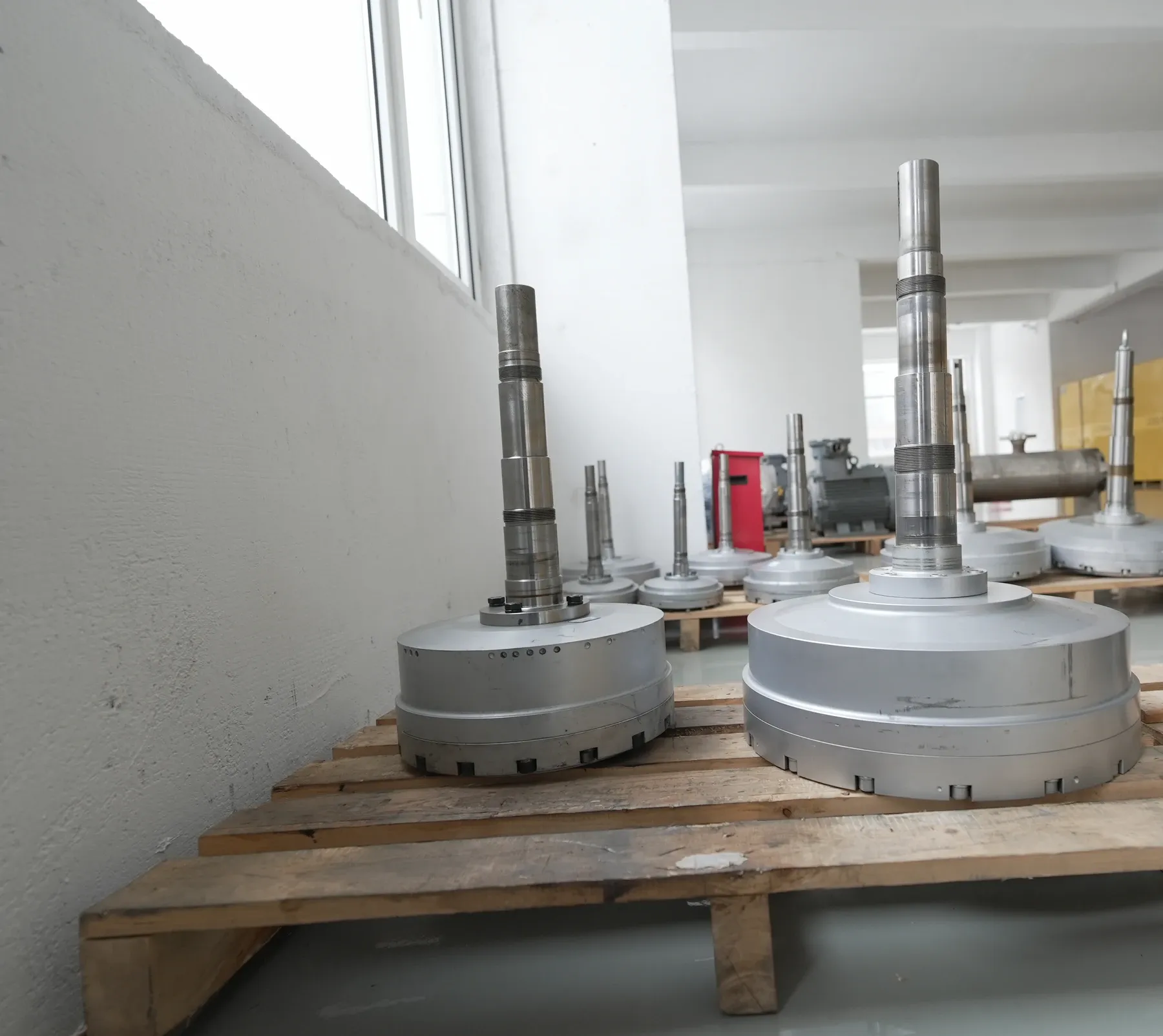
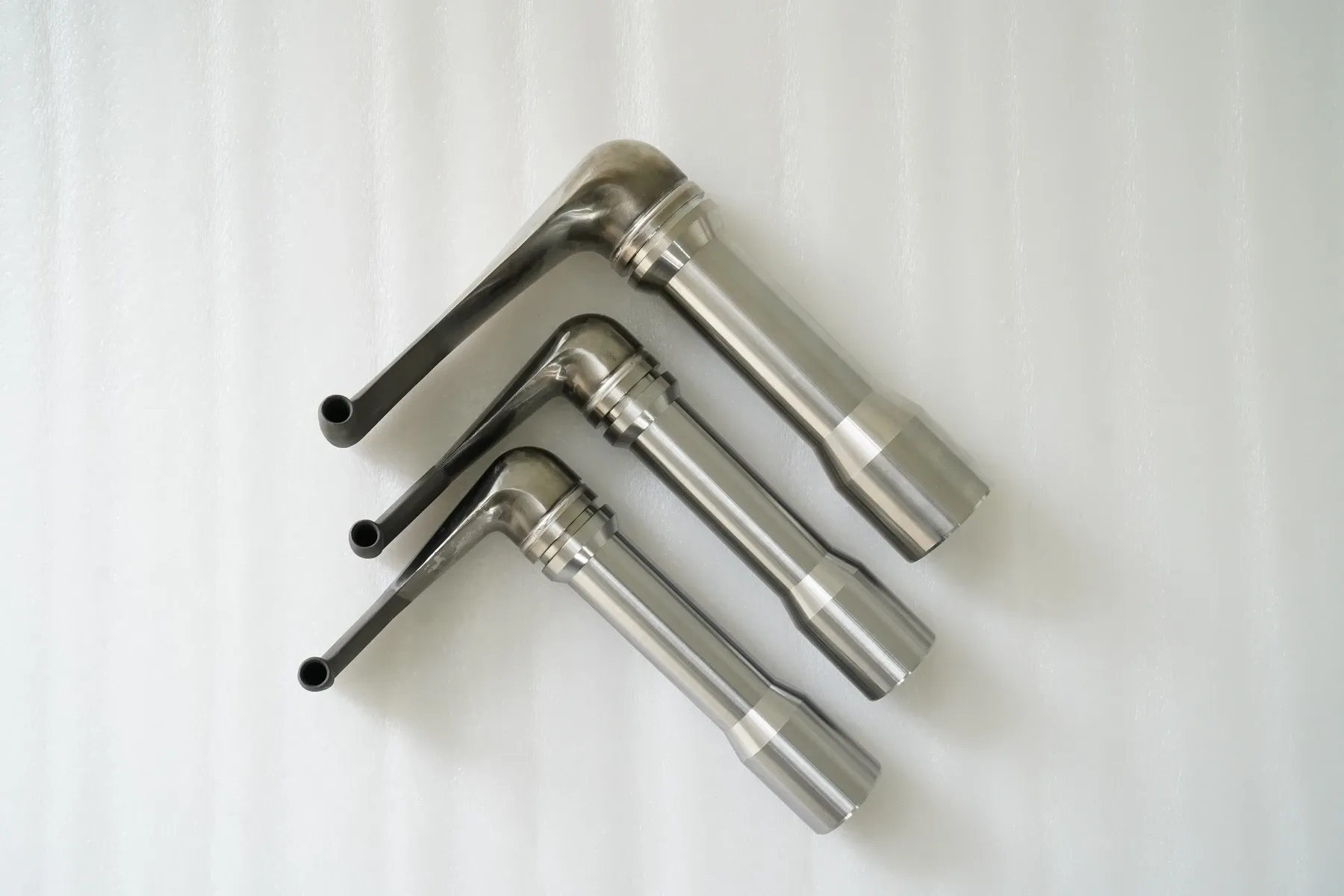
A complete-pump replacement is selected for the liquid, flow and head. Speed, pick-up tube, materials and seal are checked against the operating and inlet conditions.
Custom flanges can match existing pipes. The base and drive are confirmed for the installation. The curve and project drawings cover both performance and fit.
Choose a bare-shaft unit, motor-pump set or complete skid. The selected supply scope defines the motor, base, coupling, guard, piping, instruments and controls.
Include the nameplate model, liquid, temperature, required flow and head. Add inlet and outlet pressures with their measurement locations, and NPSHa if available.
For parts, name the component and observed wear. For a complete pump, describe the pipes, base and drive to retain. Customer drawings identify other components; photos are optional.
Include any planned change in liquid, temperature, flow or pressure so selection covers the future operation.
Choose a working part, complete pump or overhaul using the data listed above.
We identify the part or select the pump. The proposal includes the required technical documents.
Check dimensions, connections, base and drive. For a complete unit, also check the curve, materials, seal and equipment included.
The agreed item is supplied from stock or enters manufacture. Model and supply scope are confirmed for the order.
Remote support is available for the supplied equipment. On-site service can also be requested. Keep the model, drawings and readings with the pump.
Most models are available from stock and can be dispatched after payment. A non-stock unit generally takes 20–60 days, with about 30 days being common. Motors, variable-frequency control cabinets and gearboxes can affect a non-stock schedule. Pick-up tubes, rotor assemblies and mechanical seals are also kept in stock.
Warranty: 12 months after installation or 18 months after delivery. Keep the confirmed model, curve and project drawings with the equipment. They identify the supplied pump for maintenance and parts requests.
Start the replacement reviewThe next step
Liquid, flow, head and inlet conditions.
For a replacement, add the model on the nameplate.